

Curriculum & Instruction Supports for Gifted English Language Learners

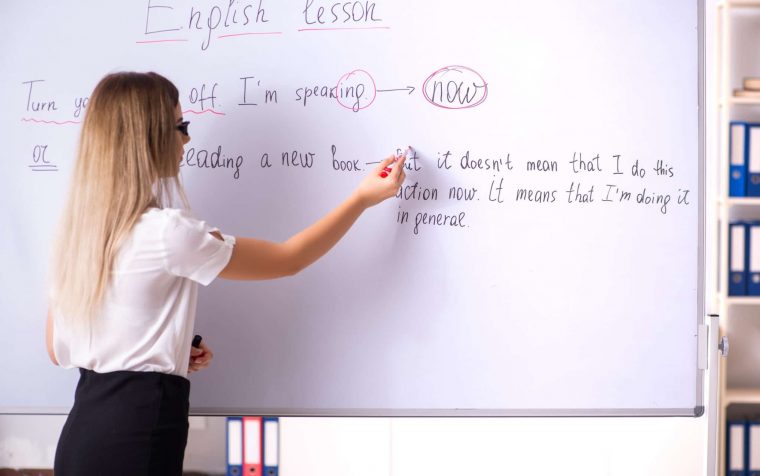
Young female english language teacher standing in front of the blackboard

CONTRIBUTORS

As initiatives begin to remedy the underrepresentation of ELLs, gifted programming must improve support for these students despite cultural and linguistic differences. This session describes ways to respond to linguistic diversity in gifted education and practical ways to implement curricular and instructional strategies that mitigate knowledge gaps and language barriers.

Learn More About the Speakers

Yasmin Laird is a Graduate Student at Baylor University who is currently pursuing a PhD in Educational Psychology with a concentration in Gifted and Talented Education. Her current research involves gifted and talented bilingual/ELL student populations. She has taught in various PK-12 settings, ranging from elementary bilingual classrooms to AP Spanish.

Celeste Sodergren is the Director of Advanced Academics for Waco ISD and is a doctoral student at Baylor University in Educational Psychology. Her interests include leadership, self-beliefs, and practical application of theory.


YOU MIGHT ALSO LIKE

Fast Forward: Twice-Exceptional Learners and the Future of Gifted Education: Reflections from the Asia-Pacific Conference on Giftedness

In February, I had the pleasure of attending the Asia-Pacific Conference on Giftedness (APCG) 2026, held in Jeddah, Saudi Arabia. This bi-annual conference brought together leading scholars and practitioners from around the world. This year’s theme, “Fast Forward: Vision 2050 for Gifted Education”, challenged presenters and conference attendees to think about areas of focus for our field as we look toward the next half century. Across keynote sessions, symposia, and practitioner presentations, presenters highlighted how the field is evolving to better understand and support the diverse profiles of gifted learners. A central message throughout the conference was that the future of gifted education must move beyond narrow identification models toward comprehensive whole-learner talent development systems that recognize multiple pathways to excellence.

Read More

Supporting Twice-Exceptional Students: The Role of EdTech as a Tool

Throughout my career, the phrase “I know a kid like that” has often emerged during discussions about educational technology (edtech) and the social-emotional needs of students. Twice-exceptional (2e) students, characterized by the coexistence of high abilities and learning disabilities, thrive in programs that cater to their holistic development—a goal that traditional education systems often miss (Baum et al., 1990; Villanueva et al., 2019). While edtech has the potential to boost academic success and motivation, it is insufficient as a standalone solution for addressing the complex needs of 2e students. Effective support for 2e students necessitates a nurturing and flexible environment created by educators who are able to adapt to each student’s unique strengths and challenges. A comprehensive approach where technology serves as a tool rather than a remedy is essential. In addition, teachers must understand the complexities of twice-exceptional students. Therefore, it is critical to prepare educators before implementing new edtech resources.

You’re seeing a preview. TAGT membership unlocks full articles, resources designed specifically for gifted educators and leaders, and professional learning discounts. Log in or become a member to view this full article and other resources.

Read More

Promoting Equity in Advanced Coursework Post-Pandemic: A Data-Driven Approach for Teachers

The COVID-19 pandemic highlighted and worsened long-standing inequities in education, particularly in access to Advanced Placement (AP) and Dual Credit (DC) programs. For historically underserved groups such as African American, Latinx, and low-income students, these inequities were already barriers to academic success. As educators strive to promote equitable access to advanced coursework, it’s crucial to understand the pandemic’s impact on Advanced Placement (AP) and Dual Credit (DC) outcomes, particularly among marginalized groups.

Read More