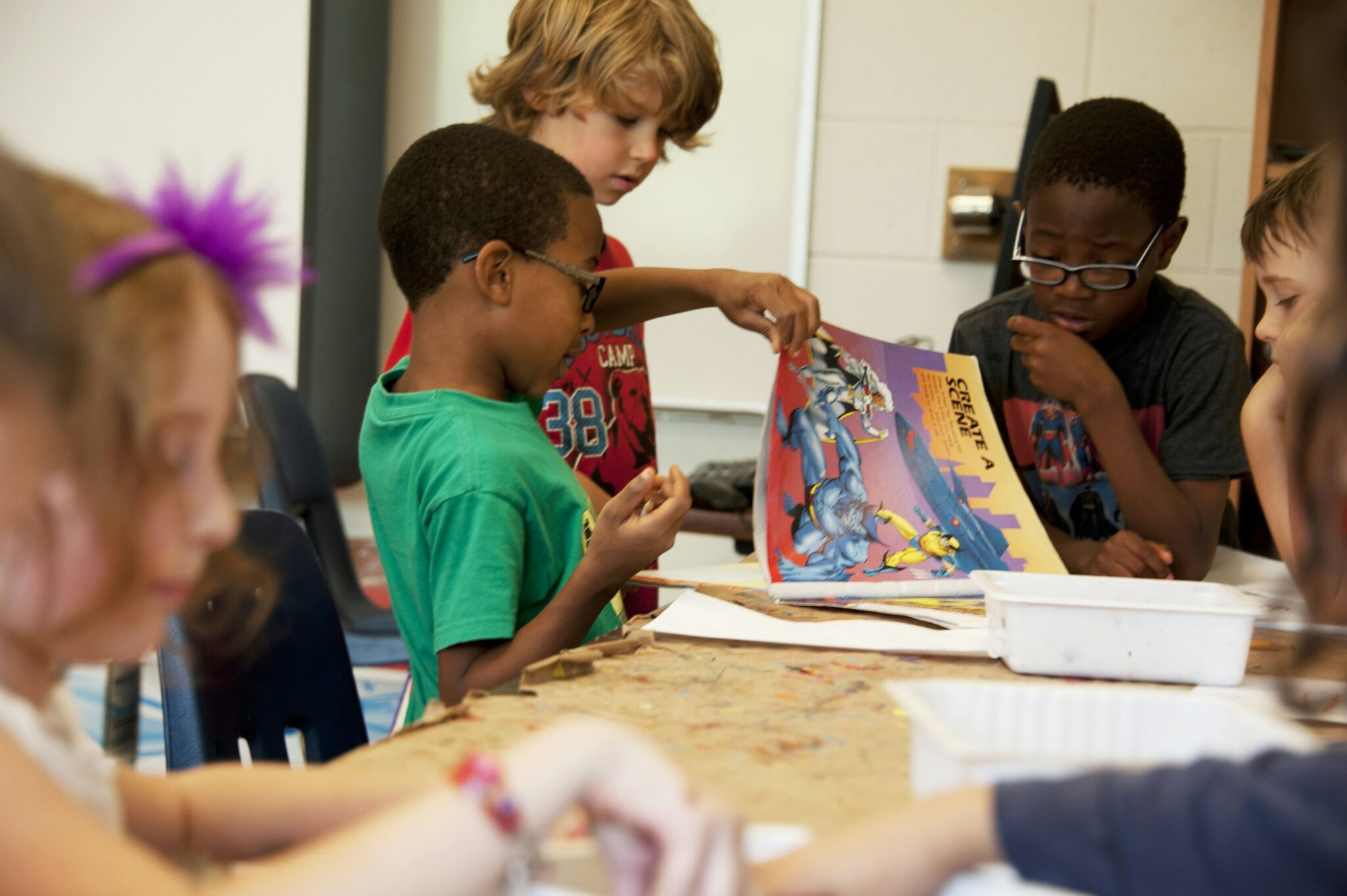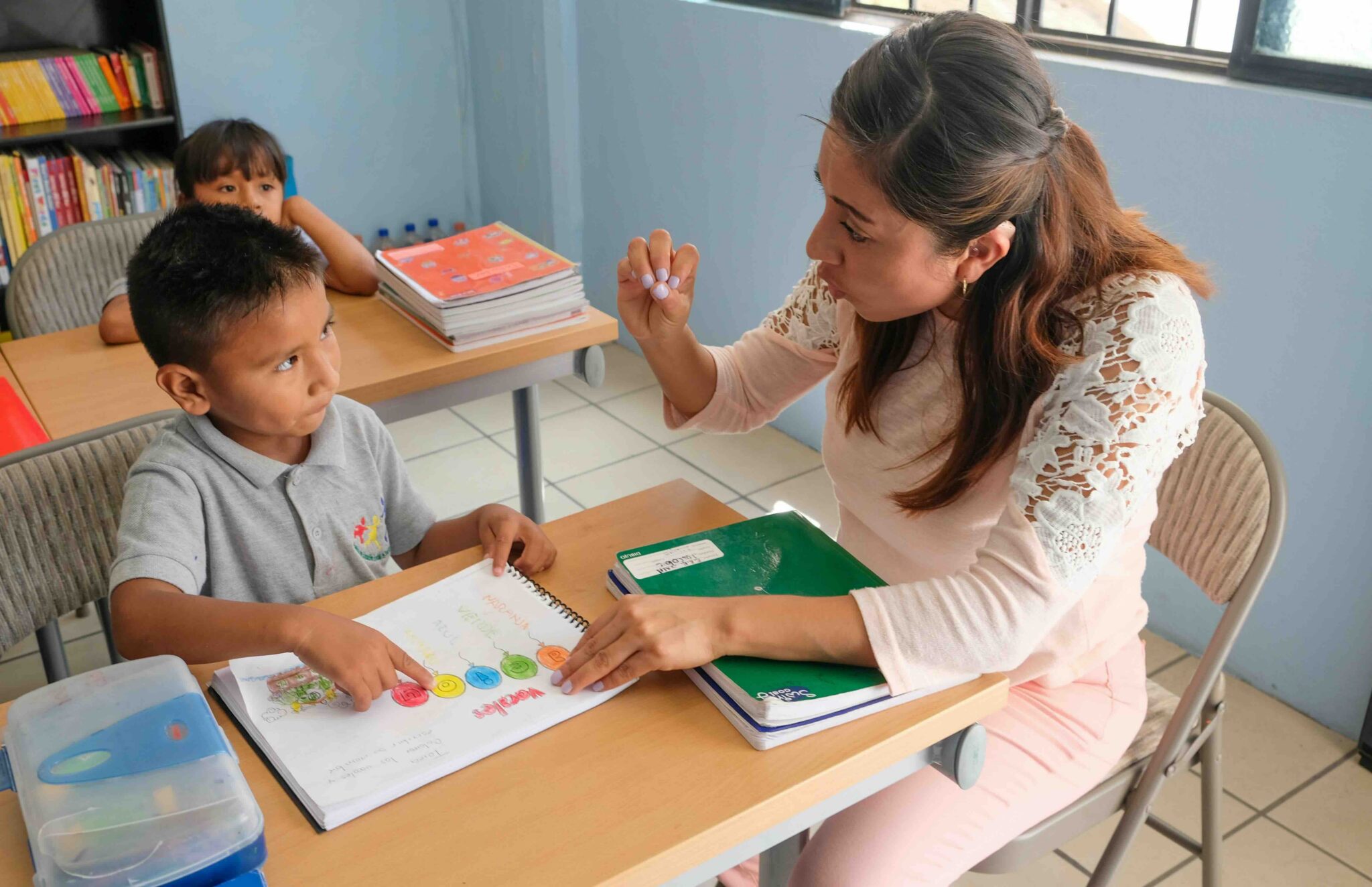



Mathematics proficiency scores show the lingering effects of the learning loss students experienced during the 2019-2020 school year. While mathematics performance levels overall have rebounded, the percentage of third grade students scoring at the Masters Level on the Grade 3 STAAR Mathematics test decreased from 30% in 2022 to 19% in 2023 (Texas Education Agency, 2023). This data indicates an opportunity to provide rigorous learning experiences for students in elementary mathematics. As students progress through elementary school, the complexity of the learning standards requires the mastery of computational, conceptual, analytical, and problem-solving skills. Rigor in the mathematics classroom involves creating learning environments that nurture and develop these skills in students with varying levels of mathematical fluency.


Retaining G/T Students Through Family Support
Celeste Sodergren, Ph.D., presents research-driven insights into how families of gifted learners seek supplemental academic support. Using a decision-tree framework, she explores the motivations, barriers, and choices families face, helping district leaders better understand parent needs and improve communication, intervention strategies, and services that more effectively support gifted students and their educational success.