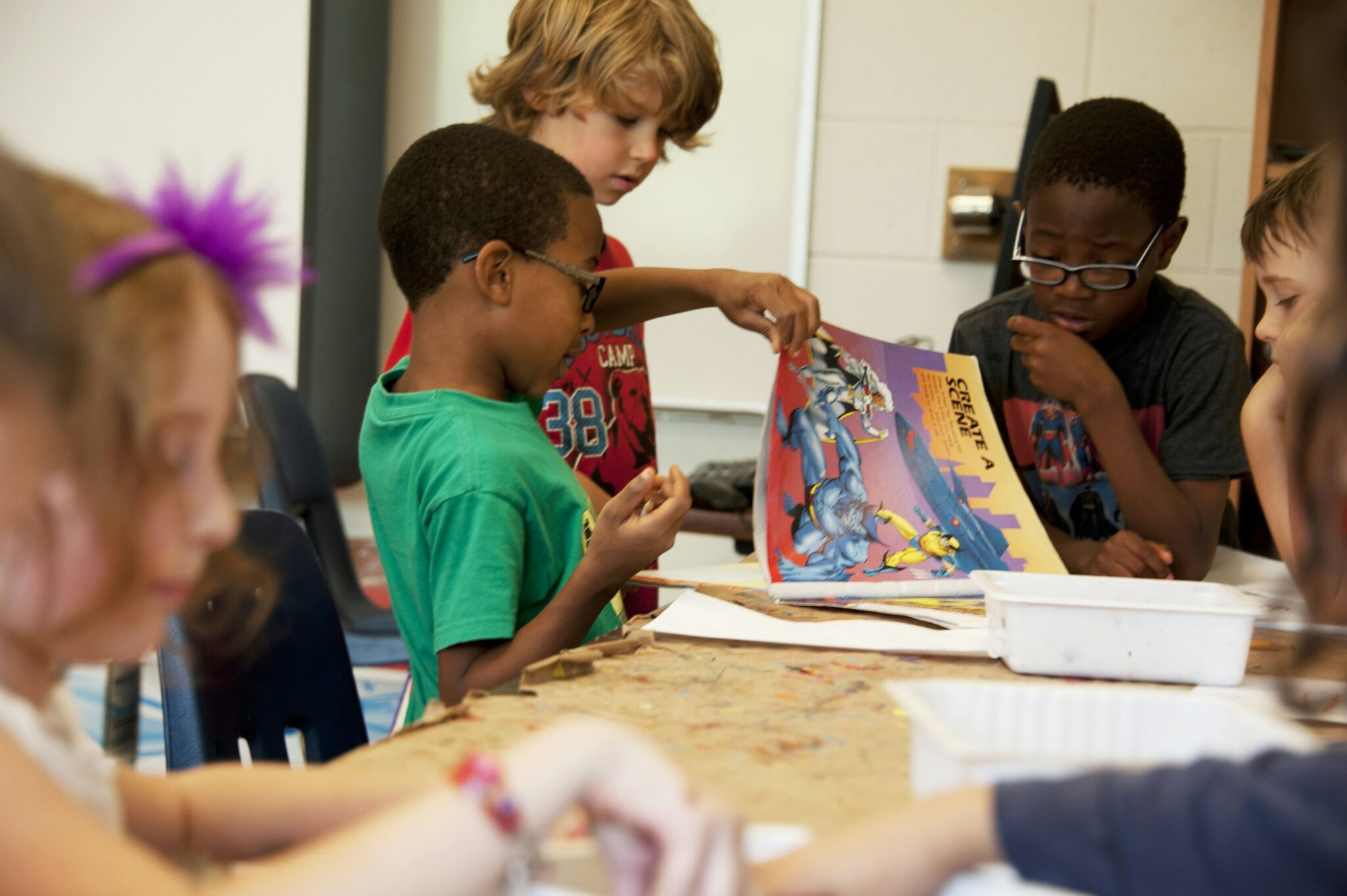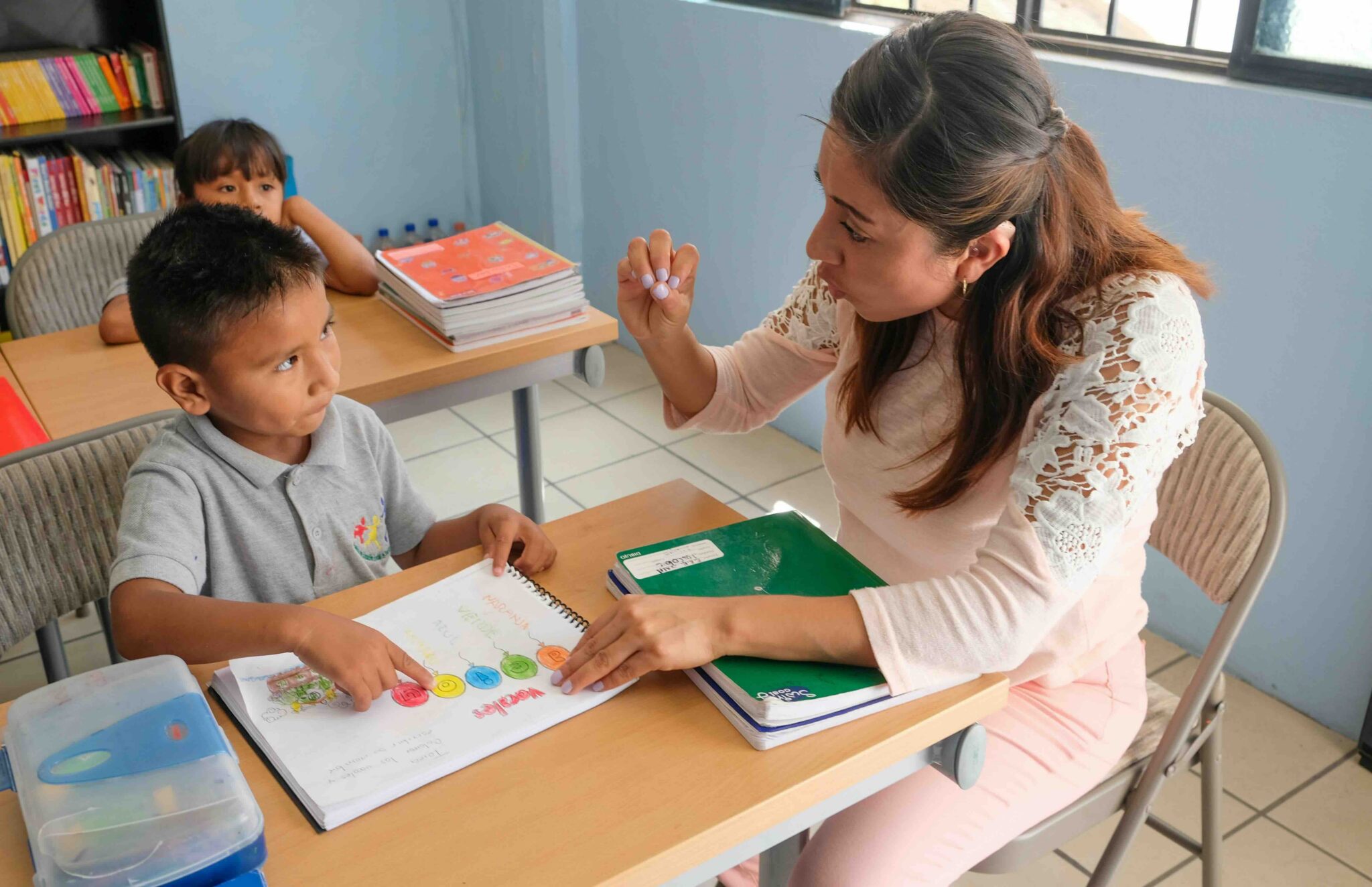



This article delves into the importance of exploring what lies inside the educational box, emphasizing the need to understand students’ prior knowledge and experiences as a crucial step toward fostering deep and innovative thinking, rather than just conforming to established norms and practices.


Retaining G/T Students Through Family Support
Celeste Sodergren, Ph.D., presents research-driven insights into how families of gifted learners seek supplemental academic support. Using a decision-tree framework, she explores the motivations, barriers, and choices families face, helping district leaders better understand parent needs and improve communication, intervention strategies, and services that more effectively support gifted students and their educational success.