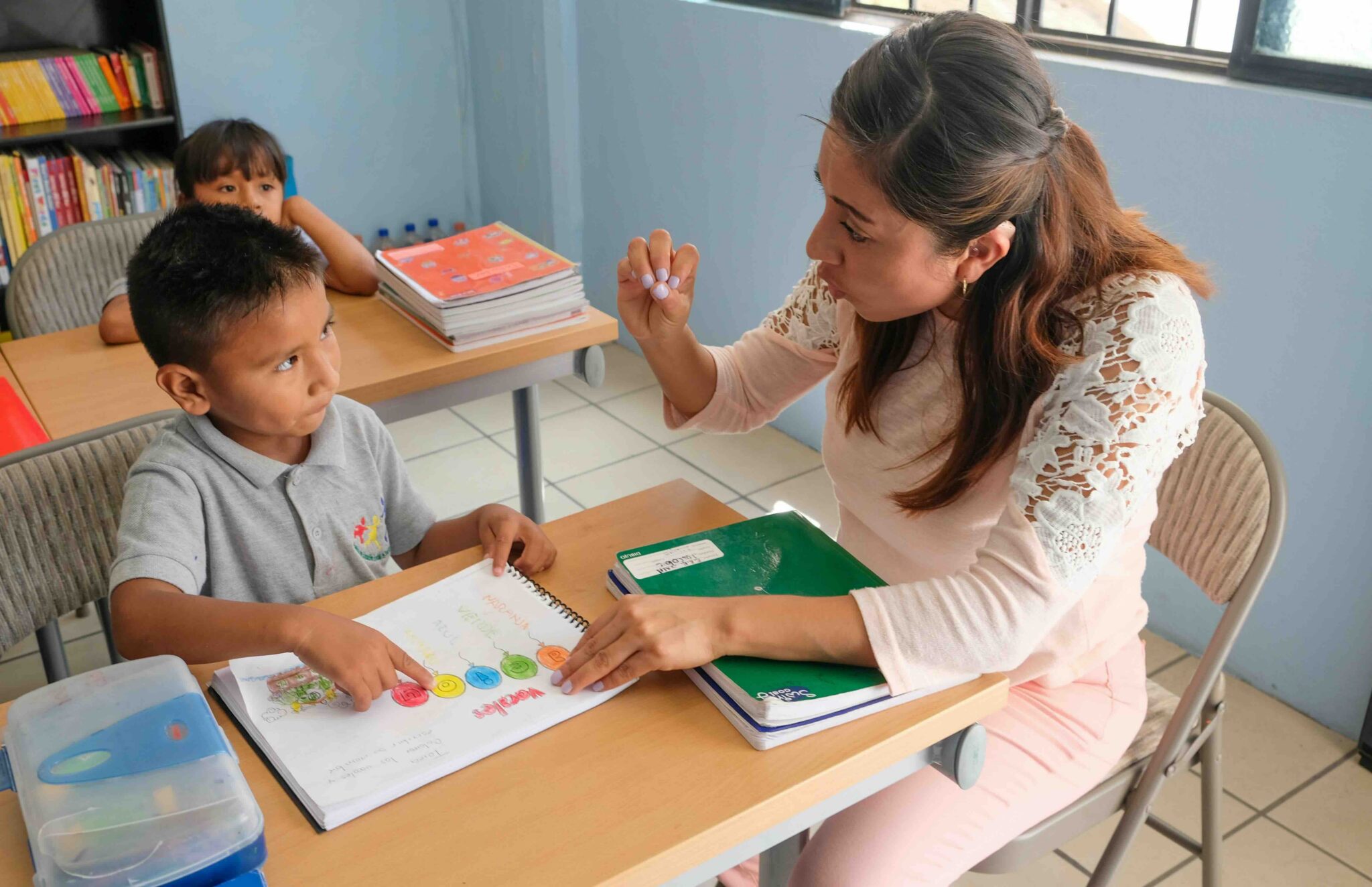



Giftedness occurs equally in all populations; however, research shows that gifted multilingual learners (MLs) are not represented equally in gifted programs (Siegle et al., 2016; Gubbins et al., 2018; Mun et al., 2020; Long et al., 2023). According to the National Education Association (NEA, 2020), MLs (students developing proficiency in multiple languages, including English), are the fastest-growing student group in the US. Despite the growing number of MLs, their representation in gifted programs continues to fall behind not only traditional populations of learners, but also behind all underserved populations, including twice-exceptional, rural, Hispanic, Native American, and Black students (Mun et al., 2020).


Retaining G/T Students Through Family Support
Celeste Sodergren, Ph.D., presents research-driven insights into how families of gifted learners seek supplemental academic support. Using a decision-tree framework, she explores the motivations, barriers, and choices families face, helping district leaders better understand parent needs and improve communication, intervention strategies, and services that more effectively support gifted students and their educational success.