


Gifted 101: Understanding Overexcitabilities in Gifted Individuals

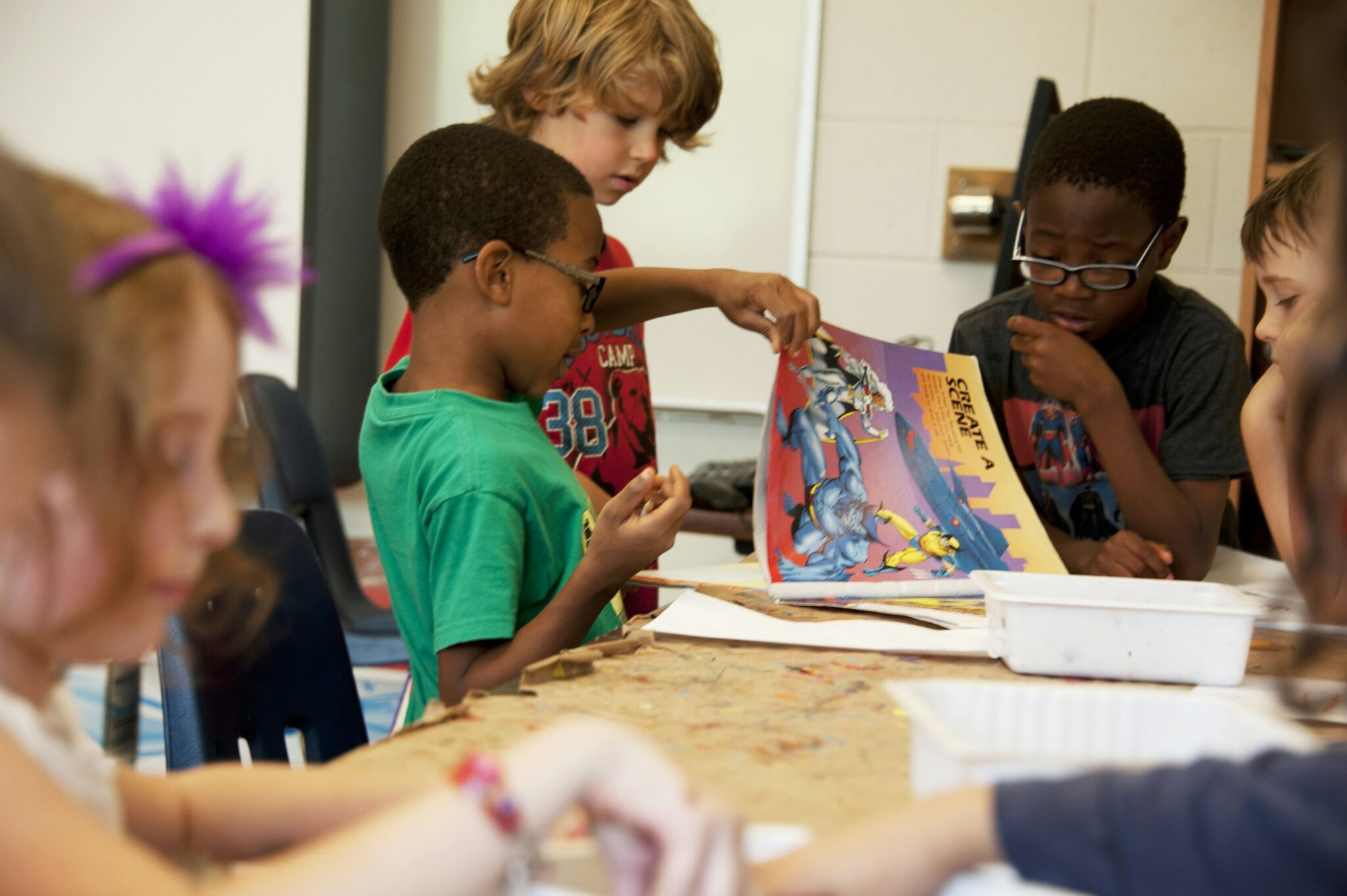
Group of emotional friends with their hands raised

CONTRIBUTORS

Most educators who have worked with students identified as gifted know that the classic teacher-pleasing student may be recognized as gifted, but more than likely, the truly gifted student may be in that same class—masked by myriad characteristics that too many educators do not associate with giftedness.

You’re seeing a preview. TAGT membership unlocks full articles, resources designed specifically for gifted educators and leaders, and professional learning discounts. Log in or become a member to view this full article and other resources.

YOU MIGHT ALSO LIKE

Leader Action Resource: Identifying Gifted Multilingual Learners (MLs)

In the gifted education space, much of the research highlights students’ socio-emotional needs, equitable identification practices, and classroom intervention strategies to support advanced learners. However, far less research exists that focuses on the secondary space, and even less on a student’s transition into secondary. Gifted-identified students still need and deserve advanced services in middle and high school. This resource includes guidance to help understand the gifted education landscape and what the research says about students’ unique instructional and socio-emotional needs as they transition into secondary. As a series of resources, these one-pagers provide research-driven key takeaways and specific action steps you can begin immediately to support students’ transition to secondary.

You’re seeing a preview. TAGT membership unlocks full articles, resources designed specifically for gifted educators and leaders, and professional learning discounts. Log in or become a member to view this full article and other resources.

Read More

Educator Action Resource: Identifying Gifted Multilingual Learners (MLs)

In the gifted education space, much of the research highlights students’ socio-emotional needs, equitable identification practices, and classroom intervention strategies to support advanced learners. However, far less research exists that focuses on the secondary space, and even less on a student’s transition into secondary. Gifted-identified students still need and deserve advanced services in middle and high school. This resource includes guidance to help understand the gifted education landscape and what the research says about students’ unique instructional and socio-emotional needs as they transition into secondary. As a series of resources, these one-pagers provide research-driven key takeaways and specific action steps you can begin immediately to support students’ transition to secondary.

You’re seeing a preview. TAGT membership unlocks full articles, resources designed specifically for gifted educators and leaders, and professional learning discounts. Log in or become a member to view this full article and other resources.

Read More

What the Research Says About the Gifted Student Transition to Secondary: G/T or Advanced Academics Teachers

In the gifted education space, much of the research highlights students’ socio-emotional needs, equitable identification practices, and classroom intervention strategies to support advanced learners. However, far less research exists that focuses on the secondary space, and even less on a student’s transition into secondary. Gifted-identified students still need and deserve advanced services in middle and high school. This resource includes guidance to help understand the gifted education landscape and what the research says about students’ unique instructional and socio-emotional needs as they transition into secondary. As a series of resources, these one-pagers provide research-driven key takeaways and specific action steps you can begin immediately to support students’ transition to secondary.

You’re seeing a preview. TAGT membership unlocks full articles, resources designed specifically for gifted educators and leaders, and professional learning discounts. Log in or become a member to view this full article and other resources.

Read More